Annie Leibovitz
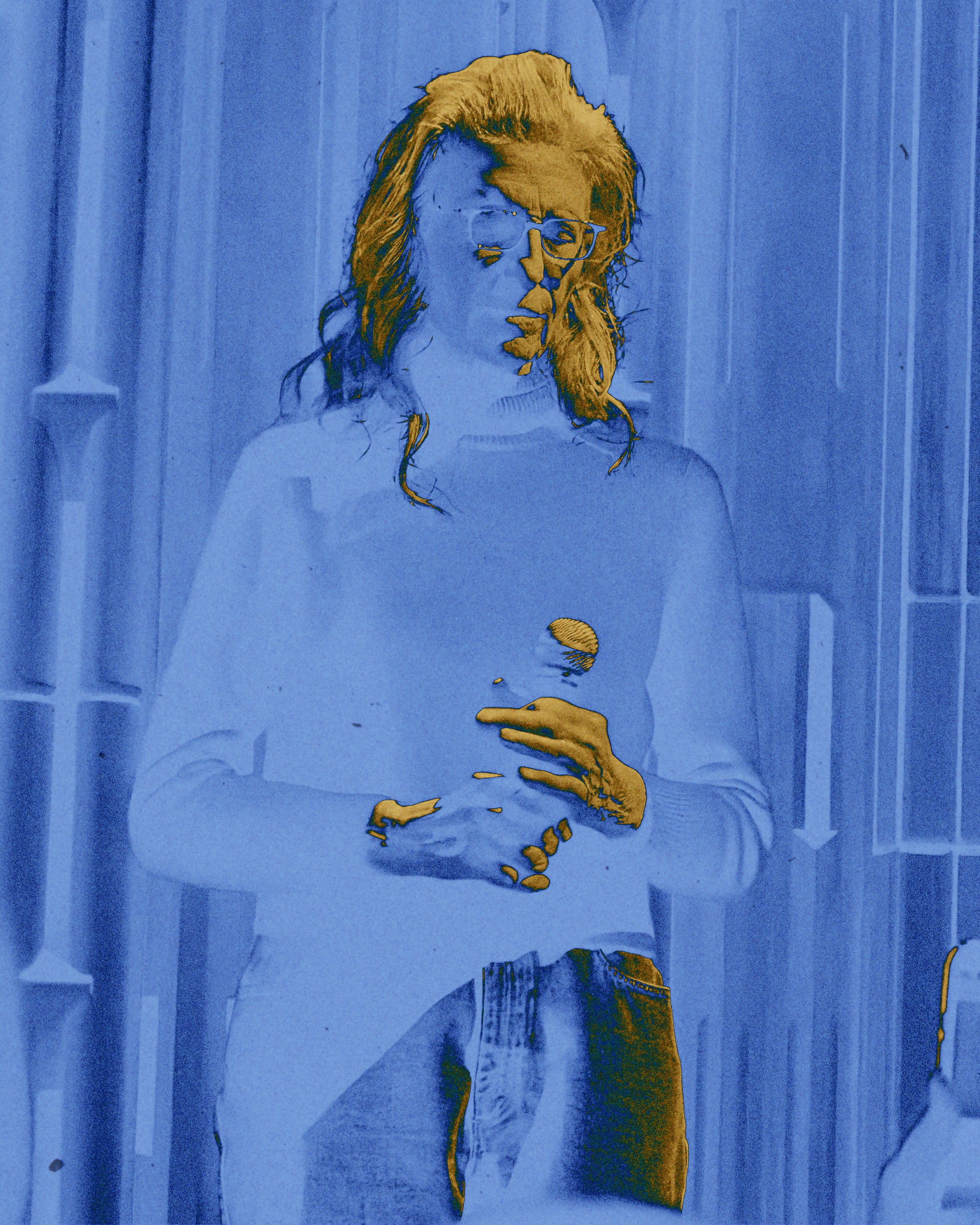
An evening with Annie Leibovitz
at the Barbican hall,
November 24th 2025
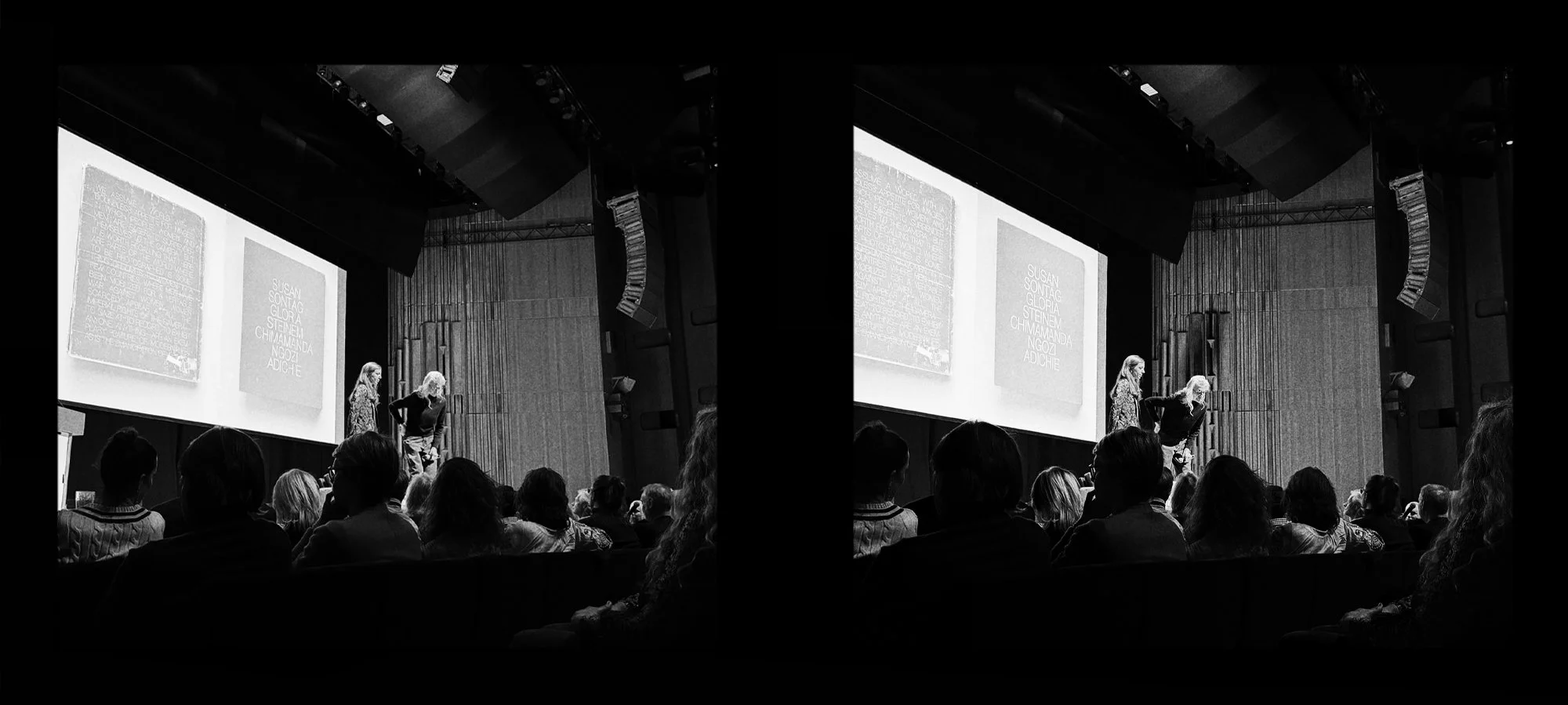
Annie Leibovitz on stage at the Barbican Hall, Nov 2025
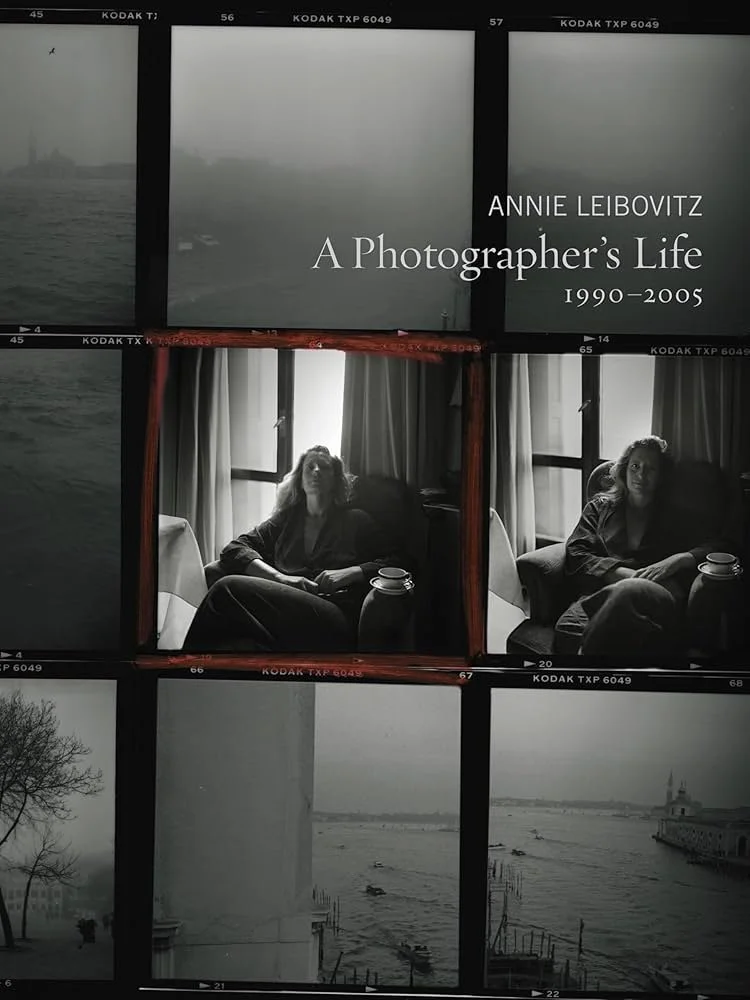
Annie Leibovitz was the first photographer whose work I truly took in. I think it was around 2005, when she had just released her book A Photographer’s Life. I bought my copy from Borders in Birmingham, UK. I looked through that book again and again, always discovering something new to love.
After that, I watched her documentary Life Through a Lens and became obsessed with finding any behind-the-scenes videos of her working so that I could really see how she did what she did.
She was hugely influential in my decision to pursue photography.
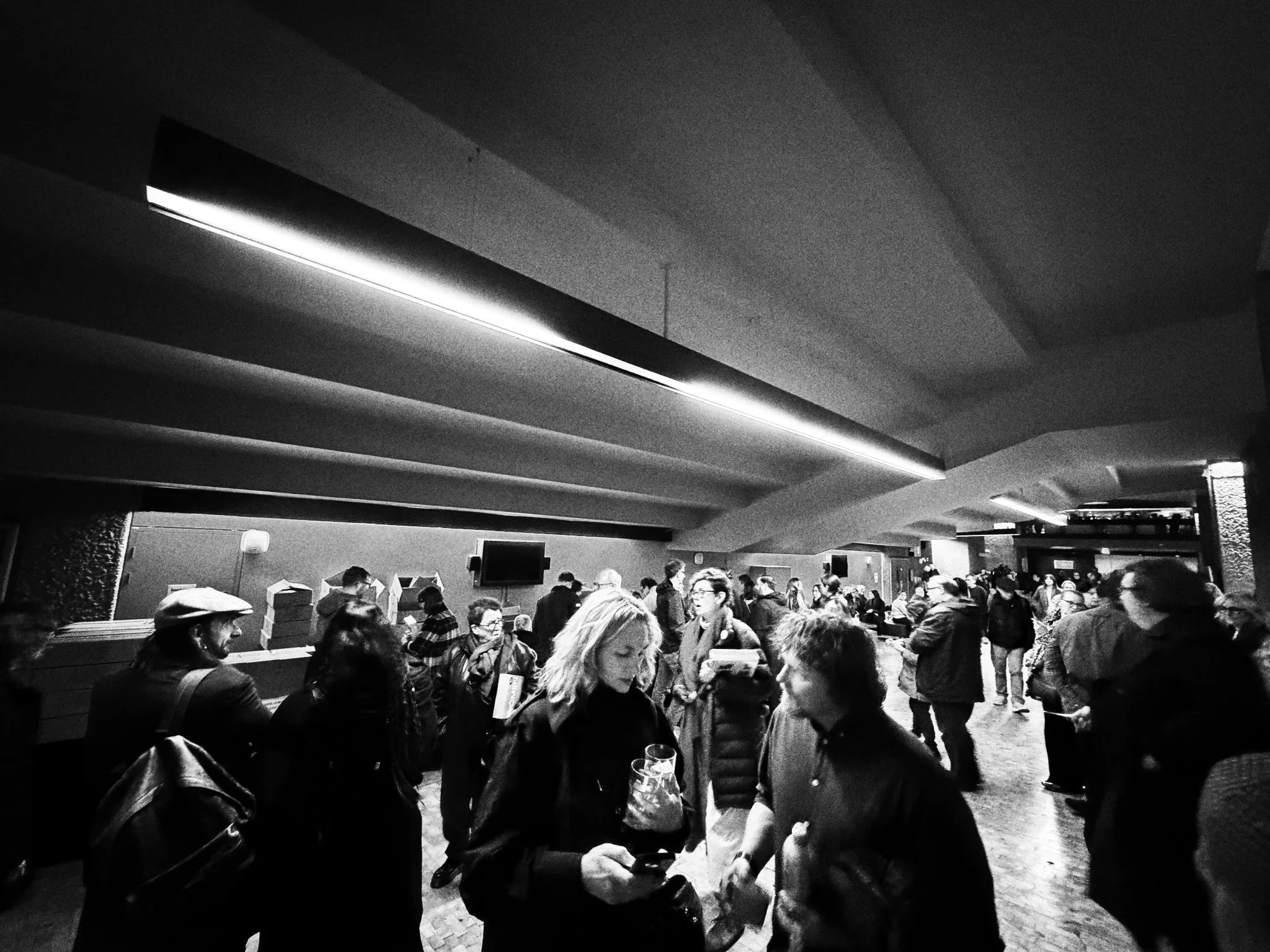
Flash forward 20 years (!) and I had the opportunity to see her give a talk at the Barbican in the UK, as part of her book tour promoting the re-release of Women. When she walked on stage, I couldn’t believe she was right there. I kept thinking about all the people she has met and photographed—but she isn’t someone who inspires because of association. She inspires because of who she is. She’s such a significant part of the visual language of the past 50 years. Even people who don’t know her name know her work. How many people can say that?
In light of the regression of American democracy and the inevitable upcoming threats to equal rights for women and the LGBTQ+ community, she spoke to us about the importance of standing up for what we believe in and of continuing to “do the work,” so to speak.
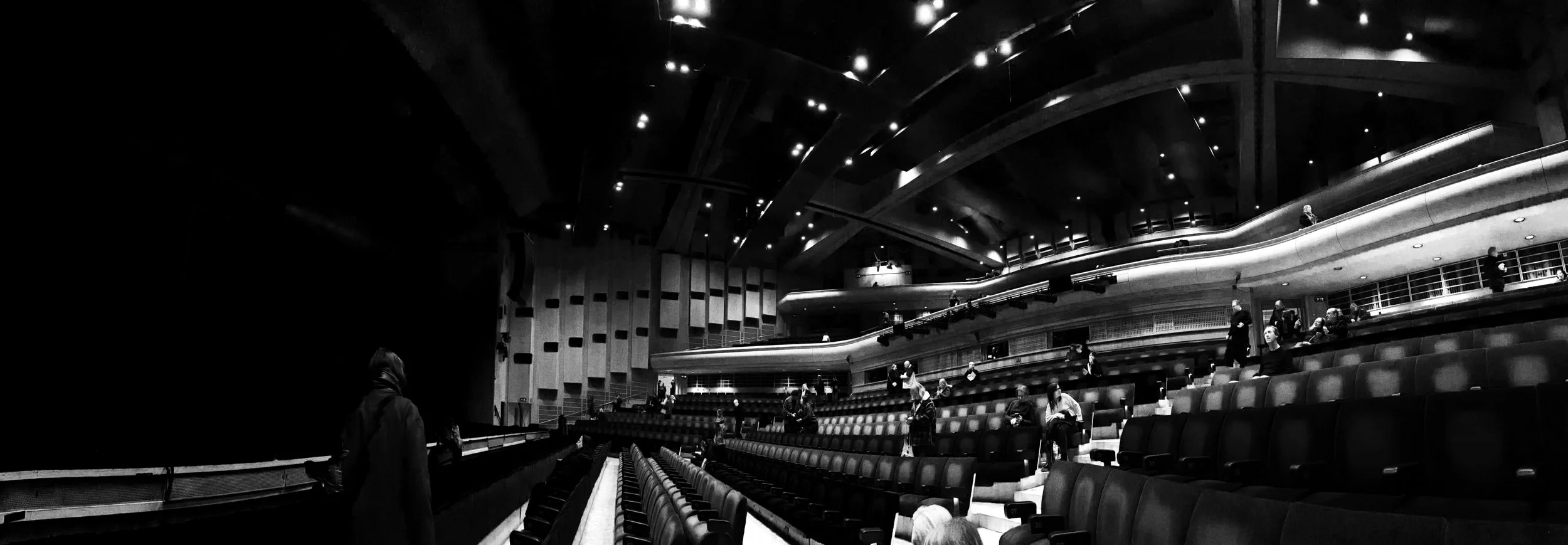
Barbican Hall, November 2025
Throughout the talk, she spoke about the women she had photographed for the book. The first edition, released in 1999, features an extraordinary range of subjects—astronauts, farmers, rappers, politicians, and so many others. Yet it’s the very first photograph in the book that I find the most striking.
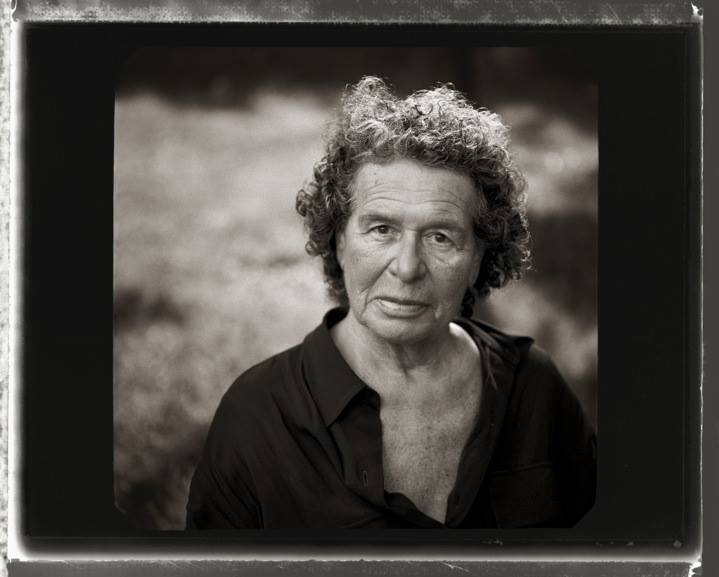
It is a picture of her Mom, Marilyn Leibovitz.
Annie said that this has become her favourite photograph that she’s taken—and it’s easy to understand why.
Imagine if all of us had an image like that of our own mothers; I think I’d feel like the luckiest person alive. It would be the most comforting thing.
Her mom has since passed, but in this photograph, she feels timeless, as if she’s still here. Annie described it as though her mother was not looking into the camera, but straight into her.
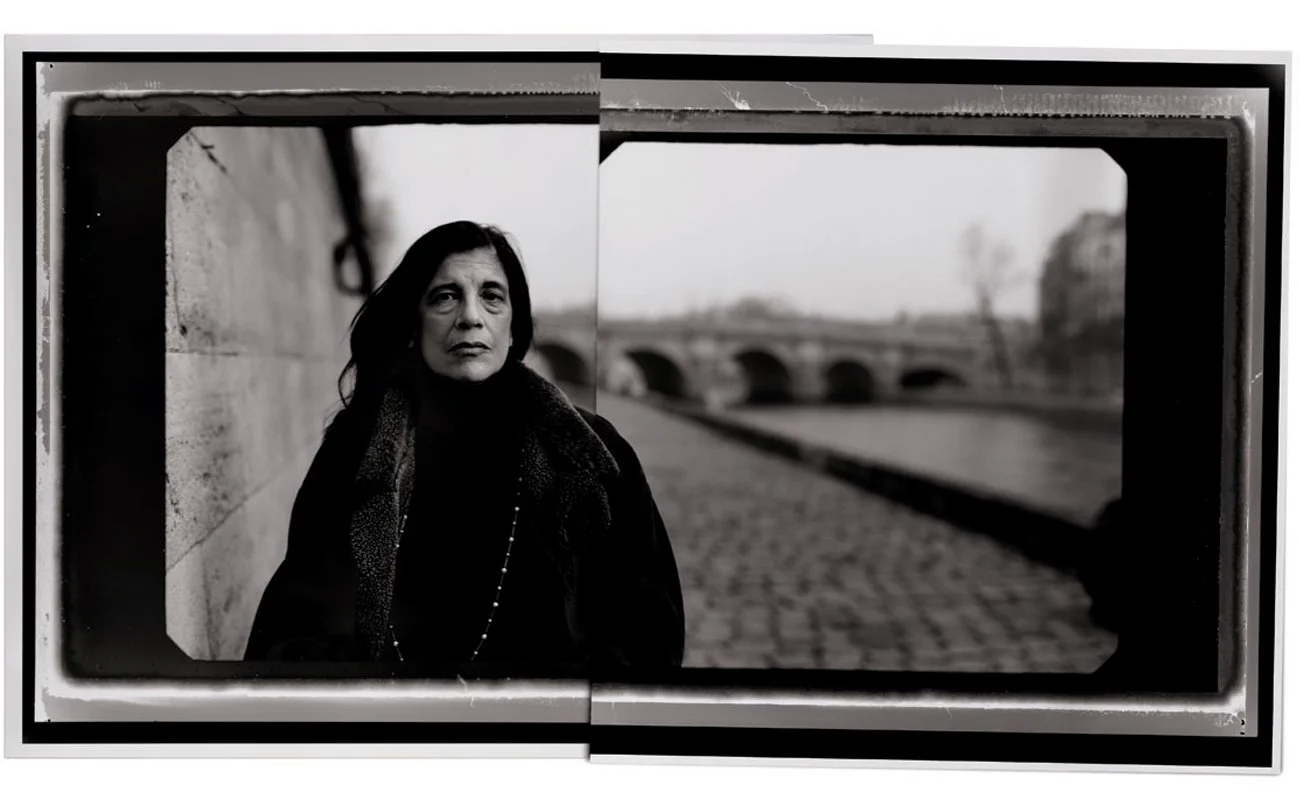
Susan Sontag, Paris
Another important person in Annie’s life was Susan Sontag, the American writer and critic. I first discovered Sontag’s work through A Photographer’s Life as well. Annie once said she felt like the “dumb blonde girlfriend” in comparison to Susan—an acknowledgement of Sontag’s formidable intellect. In the book A Photographer's Life, Annie documents Susan’s decline in health due to cancer. Those images have stayed with me for years.
When I first encountered them, I found them unsettling and, to be honest, even inappropriate. But with time—and with age—I’ve come to understand how painful it is to lose people you love, and how helpless the process can feel. You have no control over what is happening; you’re not in charge of anything. By photographing that journey, you begin to reclaim a sense of agency. You start to shape how you see what’s unfolding, and how you will remember it. In a way, you regain control over your relationship with the subject, even as everything else feels uncontrollable.
I think this is why I connect with her work so deeply. I know it isn’t for everyone, and some people are quite vocal about disliking it—but to me, so much of it feels incredibly personal. This is especially true of the photographs of her family and the people she loved. In that work, I see life and death intertwined. Isn’t that what life is about?
Finally, she shared an anecdote about perseverance. She told us that while she was compiling the first edition of “WOMEN” in 1999, she had asked if she could photograph Queen Elizabeth II. She never received a reply, and she mentioned that Susan Sontag had suggested they might be better off staying in their own backyard —America—because it was what they knew anyway.
Years later (2007), Buckingham Palace reached out and invited her to photograph the Queen to coincide with Her Majesty’s state visit to the USA. Most people are aware of this shoot because of the drama surrounding the BBC documentary captured the shoot. In the trailer for the documentary, the BBC made it look as though the Queen stormed out of the shoot because she was annoyed—a complete misrepresentation of what actually happened. (I think some heads rolled at the BBC for that… some things never change.)
Annie said that when the Palace contacted her, she told them she was honoured to be chosen but couldn’t help asking why her. “You asked.” they said.
Always ask.
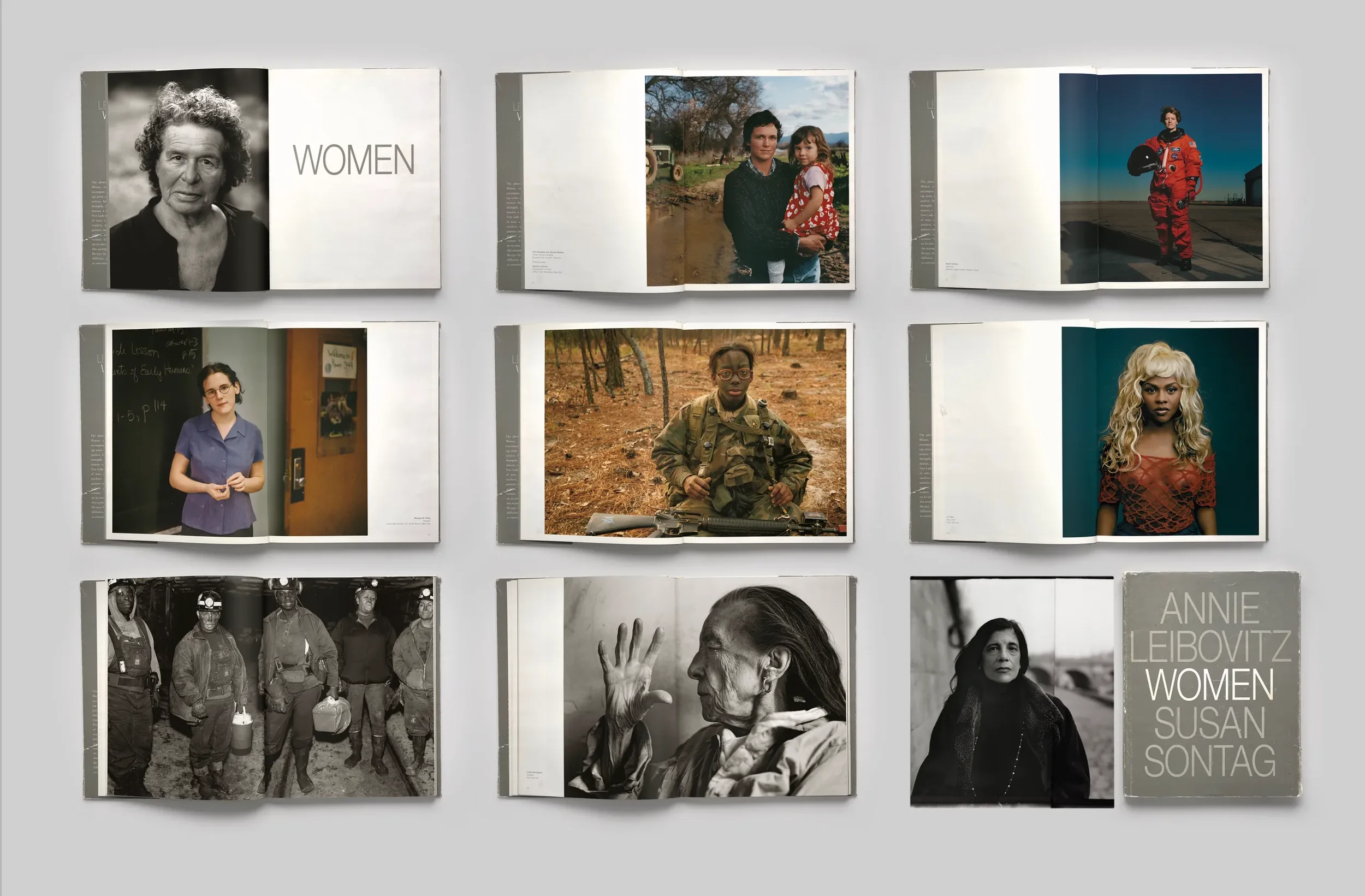
Women, 1999
